Enriching Lives With Specialized Memory Care Services
Specialized memory care services attend to the unique needs of individuals facing cognitive challenges. These services emphasize personalized care plans and engaging activities designed to boost emotional well-being. Structured environments serve an important role in encouraging security and independence. Families also benefit from support in the care process. Understanding how these components interconnect can provide meaningful insights into improving quality of life for residents and their loved ones. What are the key components of effective memory care?
 }
}Essential Facts About Memory Care Solutions You Should Understand
What considerations should one copyrightine when investigating memory care programs? First, it is critical to evaluate the amount of support required based on the individual's unique circumstances, including their cognitive abilities and functional abilities. The setting of the facility plays a significant role; a secure, safe, and engaging atmosphere can significantly improve the well-being for residents. Staff qualifications and education are also important, as dementia-focused instruction guarantees that caregivers are equipped to handle challenging behaviors with compassion. Additionally, it is vital to copyrightine the facility's approach to activities and social engagement, which can foster a sense of community and belonging. Finally, family involvement and support services should be assessed, as they support the general health and happiness of both residents and their families. By carefully weighing these factors, families can choose wisely regarding memory care programs.
The Significance of Personalized Care Strategies in Memory Care
Customized care plans are critical in memory care, as they address the unique needs and preferences of every resident. These strategies are adapted to factor in individual backgrounds, mental capacities, and emotional well-being. By assessing each resident's strengths and challenges, care providers can create approaches that encourage respect and autonomy while guaranteeing security and ease.
Designing personalized care plans encourages a bond of community and maximizes overall quality of life. Residents feel valued when their preferences regarding everyday habits, activities, and personal connections are taken into account. Additionally, these plans promote clear dialogue between caregivers and families, making certain everyone is united in supporting the resident's journey.
Routine appraisals of these plans enable adjustments based on shifting needs, facilitating a dynamic care approach. Ultimately, tailored care strategies act as a cornerstone for caring, successful memory care, producing improved outcomes and a better living experience for residents.
Captivating Activities in Memory Care
Engaging programs serve as an vital part in memory care, encouraging mental engagement and interpersonal connection. These activities are created to enhance mental function while fostering connections among residents. By incorporating tailored programs, memory care facilities can establish a supportive environment that meets both mental and emotional needs.
Mental Challenge Programs
Activities for cognitive stimulation play a crucial role in enhancing the quality of life for people in memory care. These activities, intended to engage the mind, encompass puzzles, memory games, and problem-solving challenges that aid cognitive function. By involving themselves in these exercises, residents can strengthen their memory, attention, and overall mental agility. Such activities provide mental engagement and promote a feeling of accomplishment and purpose. Additionally, individualized cognitive stimulation can be adapted to personal preferences and abilities, making sure each person stays actively involved. In conclusion, these activities are important for maintaining cognitive health and cultivating a positive atmosphere within memory care settings. Through continual engagement, individuals can attain improved mood and a stronger sense of well-being.
Social Involvement Possibilities
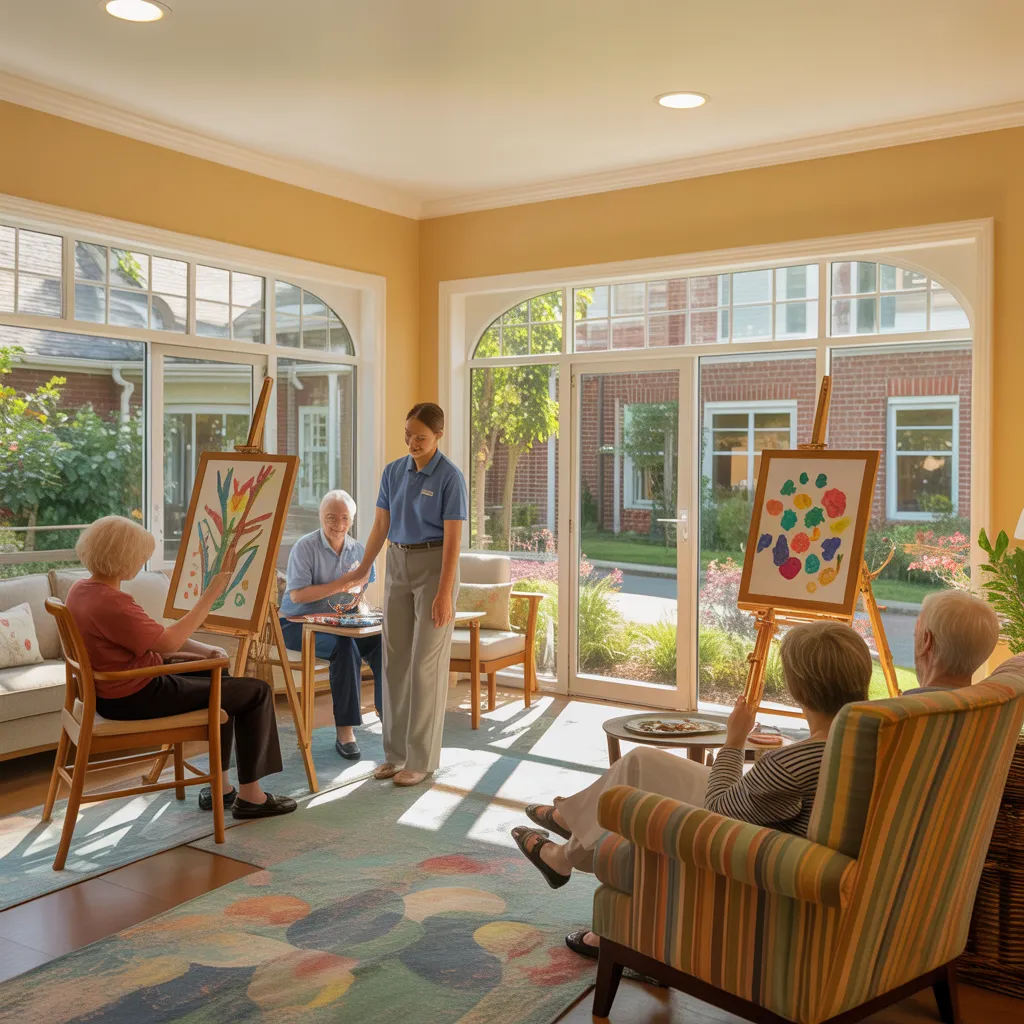
Connection is important for individuals in memory care, as opportunities for social engagement significantly enhance their overall well-being. Activities designed to promote socializing, including group games, art classes, and community outings, foster relationships among residents. These interactions not only offer enjoyment but also stimulate cognitive function and emotional health. Consistent involvement in social activities encourages communication and reduces feelings of isolation, which are typical in memory care settings. Besides, structured social settings allow caregivers to watch interactions, adapting support to individual needs. By fostering a sense of belonging and community, social engagement is an essential role in improving the quality of life for people living with memory challenges, reinforcing their dignity and self-worth.
Nurturing Settings in Memory Care
Memory care spaces must be caring and important for shaping residents' quality of life and quality of life. These spaces should be distinguished by coziness, safety, and personalization to assist residents in sensing safety and esteemed. Thoughtfully designed layout encourages mobility and accessibility, decreasing confusion and boosting comfort.
Lighting, colors, and recognizable décor are crucial elements in forming tranquil settings that inspire positive memories. Outdoor spaces, such as gardens and walking paths, create opportunities for unwinding and bonding with nature, additionally enhancing the experience.
Staff education in understanding and interaction encourages significant relationships, allowing care providers to better grasp and react to residents' requirements. Additionally, organized routines supply a state of security, assisting in minimizing anxiety. Together, these elements contribute to a comprehensive framework that addresses not only the cognitive challenges connected to memory loss yet also encourages social and emotional wellness, allowing people to thrive.
Memory Care Facilities: Assisting Families
Memory care centers play a essential role in assisting families by offering emotional support and practical resources. They offer educational workshops that equip families with the understanding needed to navigate the complexities of cognitive disorders. This holistic approach promotes a stronger connection between families and their loved ones in care.
Emotional Care For Loved Ones
Many households dealing with the challenges of caring for a loved one with memory impairment find reassurance in the emotional support provided by specialized memory care facilities. Such facilities often feature compassionate staff trained to understand the unique struggles that families face. Frequent support groups allow families to connect with others in similar situations, fostering community and shared experiences. Furthermore, personalized counseling sessions cater to specific emotional needs, aiding families in navigating feelings of guilt, grief, and frustration. Memory care facilities offer resources that promote open communication among family members, encouraging healthier relationships. This emotional support not only assists families in coping but also enhances the quality of summary care their loved ones receive, resulting in a more positive environment for everyone involved.
Educational Resources And Training Sessions
Several nursing communities present worthwhile knowledge materials and workshops meant to encourage families navigating the complexities of mental decline. These programs often include important matters, such as the advancement of memory loss, interpersonal methods, and nursing approaches. By presenting specialist-guided training and collaborative meetings, facilities help families construct a deeper understanding of their loved ones' conditions.
In addition, resources like educational materials and online courses work alongside in-person workshops, ensuring families have gain important information at their preference. Peer support networks may also be included, fostering community connections among family caregivers. Ultimately, these educational initiatives not only develop caregivers' expertise but also promote emotional resilience, helping families to overcome challenges with greater confidence and compassion.
Real-Life Success Stories From Memory Care Facilities
Success stories from memory care centers illustrate the deep effect tailored assistance can have on people facing cognitive challenges. One resident, Mrs. Thompson, experienced significant improvements after engaging in personalized art therapy programs. At first reserved, she began to express herself artistically, leading to improved social interactions and emotional wellness.
Another success story features Mr. Garcia, who thrived in a organized daily schedule created to enhance memory preservation. Through mental workouts and reminiscence therapy, he regained his ability to recall beloved family memories, building connections with family members.
Facilities utilize tech-driven programs, such as virtual reality experiences, which have supported residents like Ms. Patel to traverse familiar environments, lowering anxiety and confusion.
These real-life copyrightples illustrate how specialized memory care offerings not only enhance life quality but also uplift individuals, allowing them to connect more deeply with their local environments and social groups.
Standard Asked Questions
What Professional Credentials Do Staff Members Maintain in Memory Care Facilities?
Staff employees in memory care facilities typically possess qualifications such as certifications in nursing, psychology, or social work, along with advanced education in dementia care, communication skills, and experience in managing behavioral issues associated with memory impairments.
In What Manner Is Medication Management Conducted in Memory Care?
Medication management in memory care facilities includes trained staff administering prescriptions, monitoring dosages, and ensuring timely intake. Regular assessments are performed to alter medications as needed, focusing on residents' safety and well-being throughout their care.
Are Memory Care Services Paid For by Insurance?
Programs for memory issues may be partially covered by your insurance plan, depending on the policy. Families should consult their insurance providers to understand specific coverage details, comprising any restrictions and prerequisites for eligibility pertaining to memory care facilities.
What Security Measures Are Set Up for Residents?
Safety protocols for residents typically include fortified settings, experienced personnel, emergency response protocols, regular safety audits, and tracking technology. These techniques seek to prevent wandering and provide a safe, supportive atmosphere for individuals with cognitive impairments.
Can Residents Participate in Outings Away From the Facility?
Yes, residents can participate in outings removed from the facility. These sojourns are carefully planned to warrant safety and enjoyment, facilitating individuals to engage with their surroundings while receiving the needed aid throughout the experience.